How I Traveled to Alaska From Florida Without Flying for an Expedition Cruise
This site contains affiliate links for which I may be compensated. More info here.
My first Alaska expedition cruise was booked, but I didn’t know how the heck I’d get there from Florida to meet the ship, without flying.
It’s roughly 4,250 miles from central Florida to Juneau, Alaska and I was clueless how to plan my route to get to the capital city of Alaska. However, I love a challenge.
That complicated, slow travel distance alone explains why Alaska had stayed off my radar for so long. Crossing the Atlantic by ship always felt simpler to me than figuring out how to reach Southeast Alaska by land and sea.
When I was invited to spend a week onboard a small expedition ship, I was determined to get to Alaska. The planning challenge became part of the adventure.
I spent at least one month figuring out how to get to Juneau. I compared Amtrak fares by what days were the least expensive to book a sleeper, what hotels were near the station to break up the constant train motion.
And still get me to Alaska on time.
I learned that getting to Alaska without flying certainly wasn’t about efficiency. It was my own little experiment in slow travel, testing my level of curiosity, patience, and stamina.
All the travel segments had to carefully fit together to arrive into Juneau in time for my cruise.
A Journey Built One Segment at a Time
I stitched together a route that included five Amtrak trains, four hotel stays, and two large ferries. Then finally, in Juneau, my Alaska expedition cruise would actually begin.
Somewhere along the way, I started to joke that it might have been easier to reach Alaska during the Gold Rush. Seriously. In the late 1800s, weekly steamships ran north from San Francisco all the way to Nome.
Even Wyatt Earp and his wife, Josie, made that journey by sea in 1900. Meanwhile, I was juggling modern schedules, connections, and overnight stops to reach the same region.
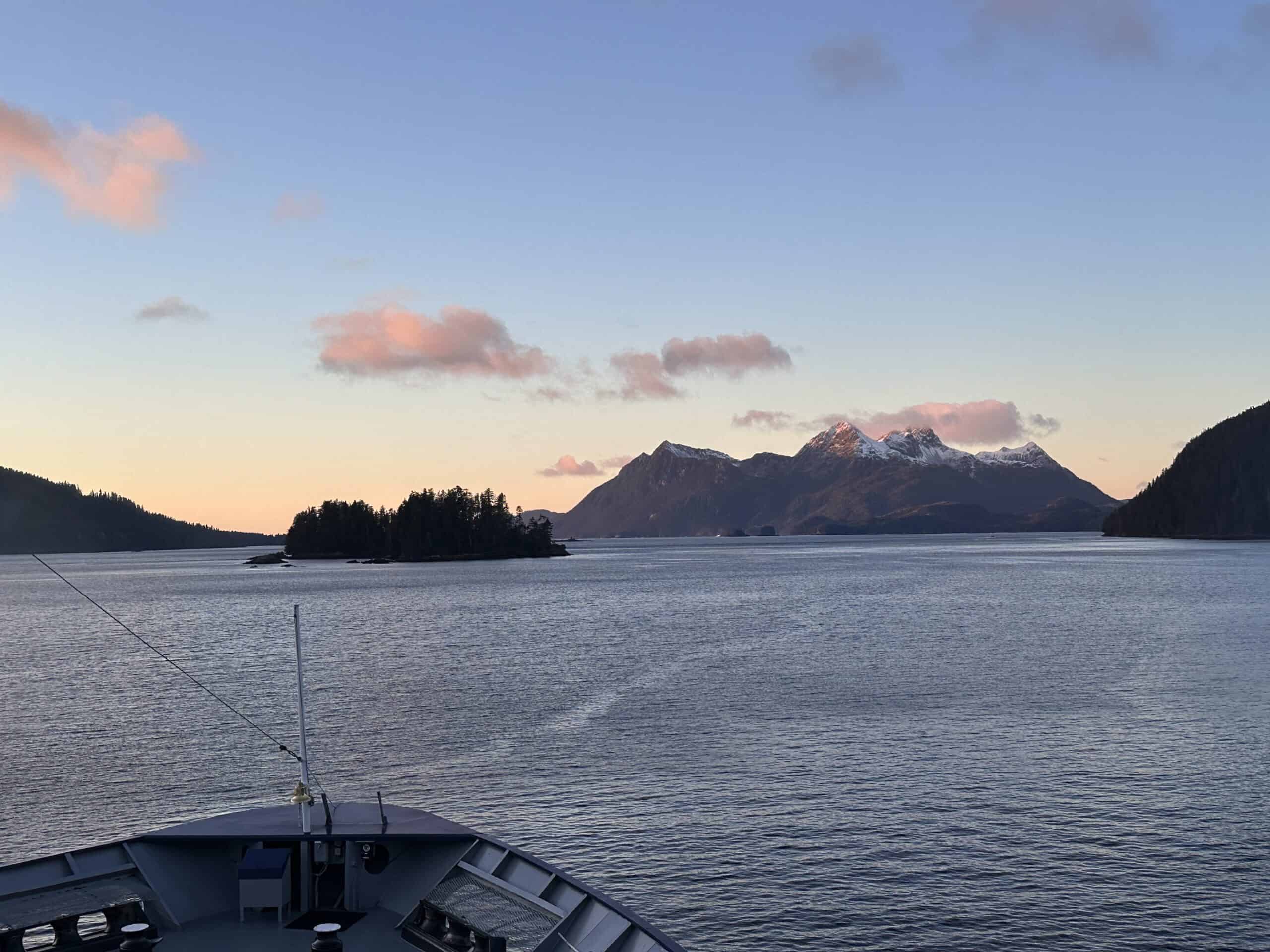
Still, all of it led to one unforgettable week exploring Alaska’s inside passage aboard a small expedition ship, ducking into coves and gliding past glaciers that felt eerily close.
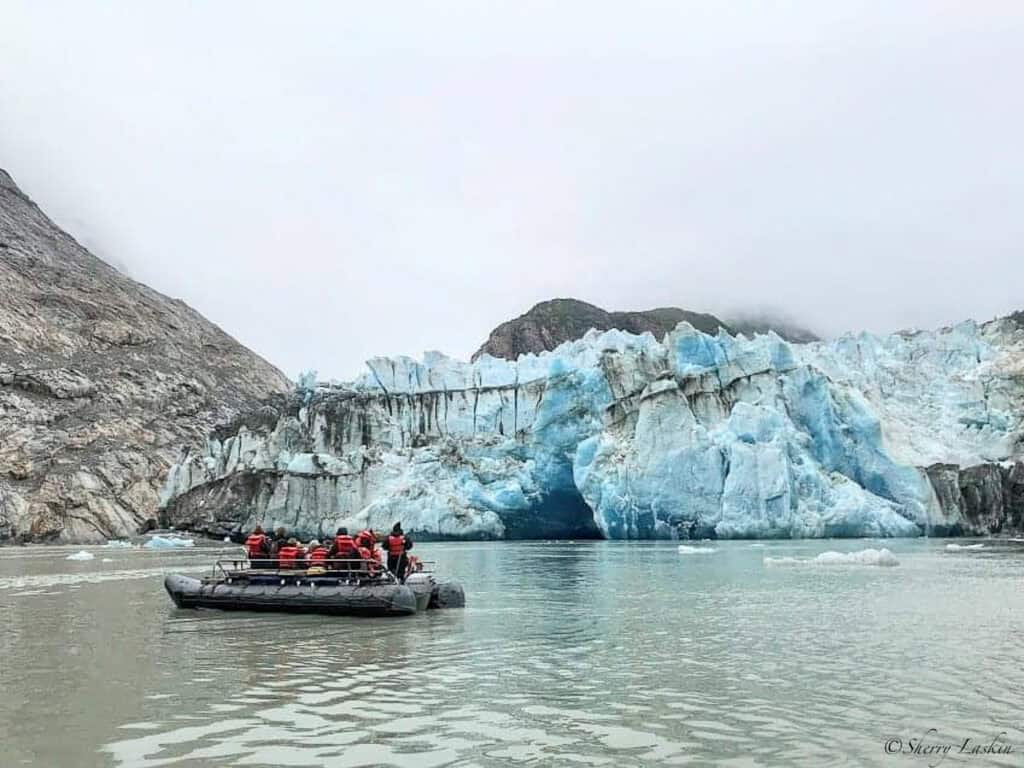
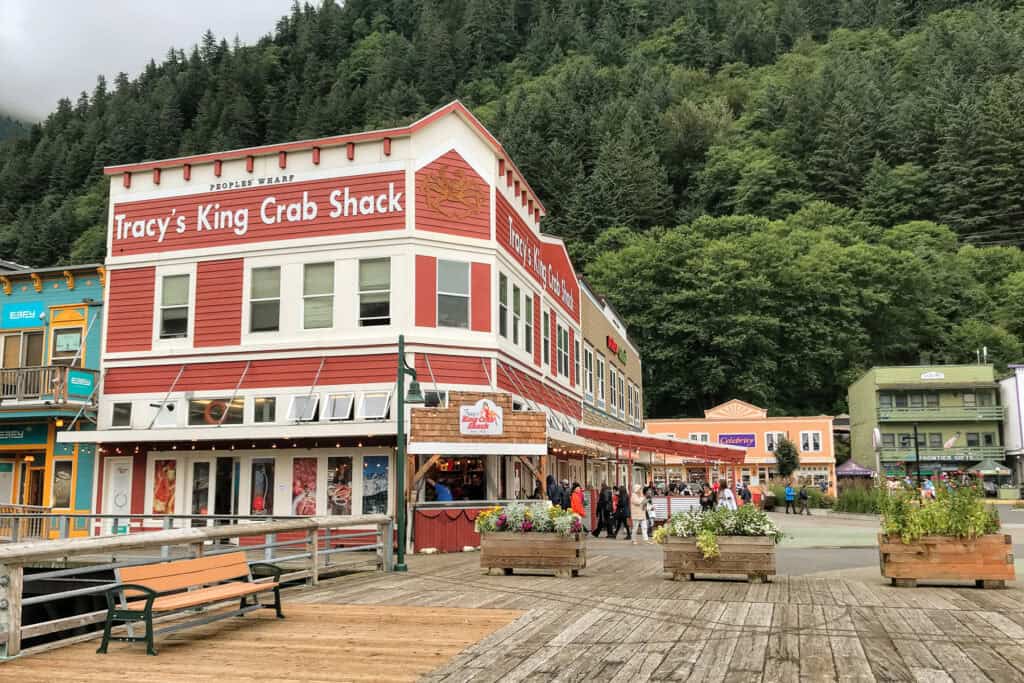
Southeast Alaska is made up of many small islands, and their communities have no road access at all. Towns like Juneau, Sitka, and Ketchikan aren’t reached by car. They’re reached by water. Or airplane and flying wasn’t an option for me.
How My Long Journey Began; Crossing the Country by Rail
The journey to the north began in Florida and unfolded slowly across the country. I patched together day trains and overnight trains, long layovers, familiar cities, and new scenery that would blur together as I traveled west.
Washington, DC was my first major stop from Florida. Union Station was already humming at 7 a.m., One of the nice perks of buying a sleeper-car accommodation is access to private station lounges. This makes long connections far more comfortable.
I checked my luggage, stepped outside and explored this now-familiar city.
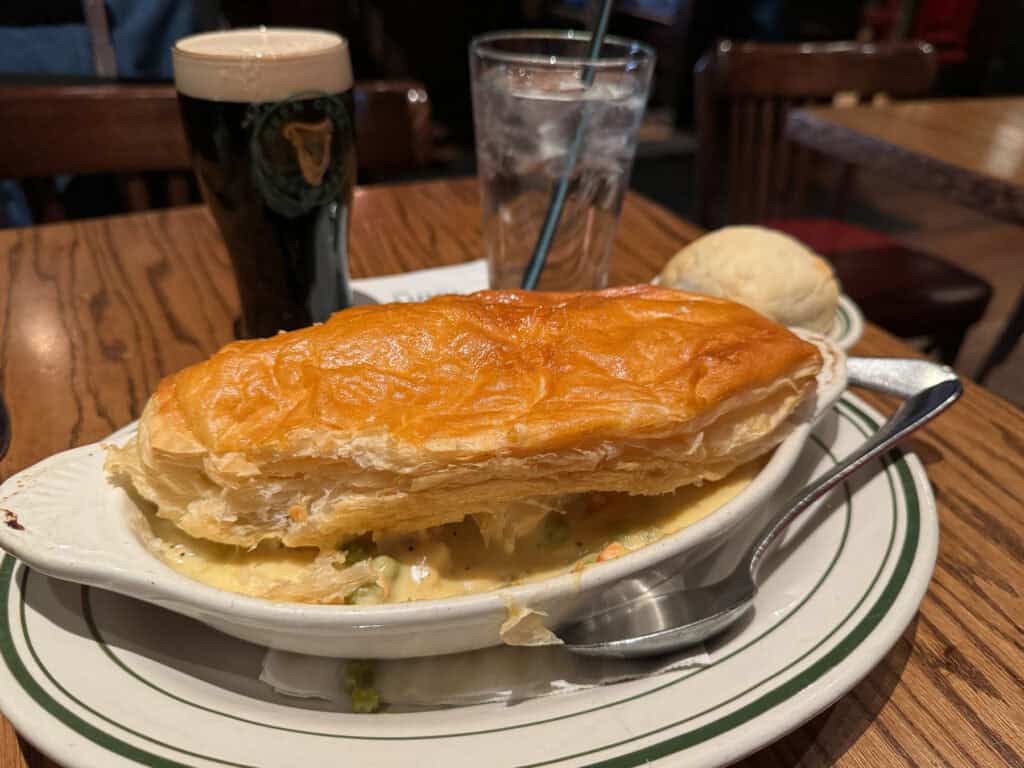
My morning began in the train station with a continental breakfast at Prêt à Manger. I would then wander, have lunch at the nearby Dubliner Hotel for their signature chicken pot pie.
There was still time for a quick visit to the Smithsonian’s Native American Museum, one of the few museums on the Mall that I hadn’t seen.
The next train was the overnight Capitol Limited to Chicago, where I stayed put for three days.
Time to reconnect with my hometown. It was good to feel a bit grounded before beginning the longest rail stretch ahead.
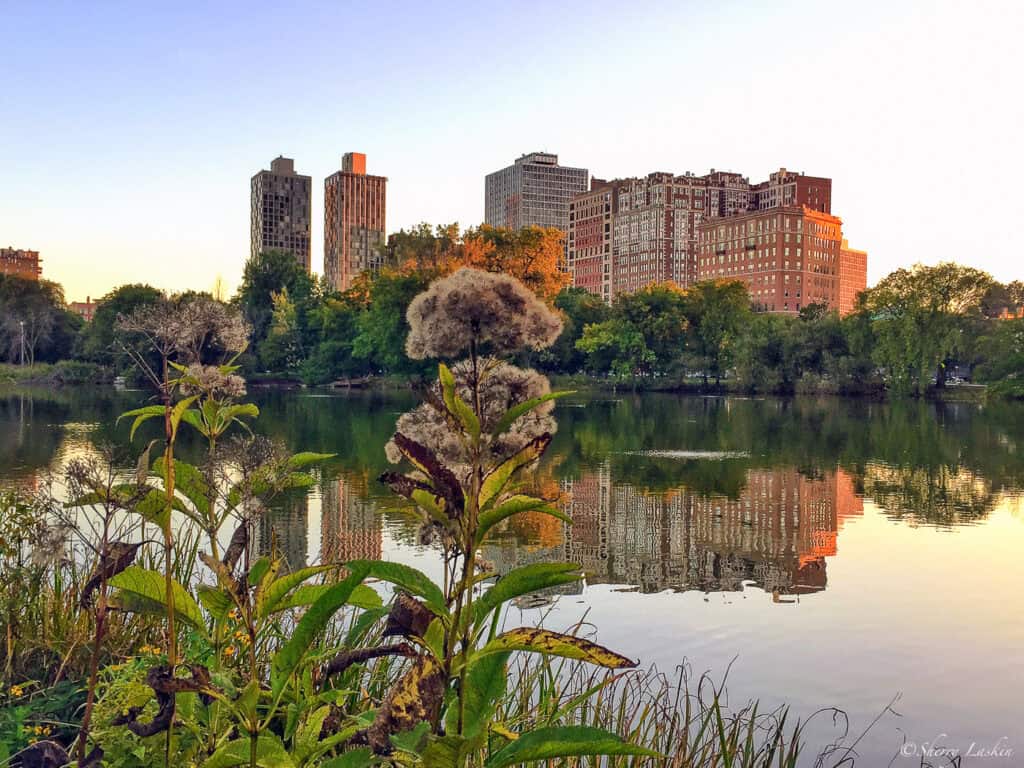
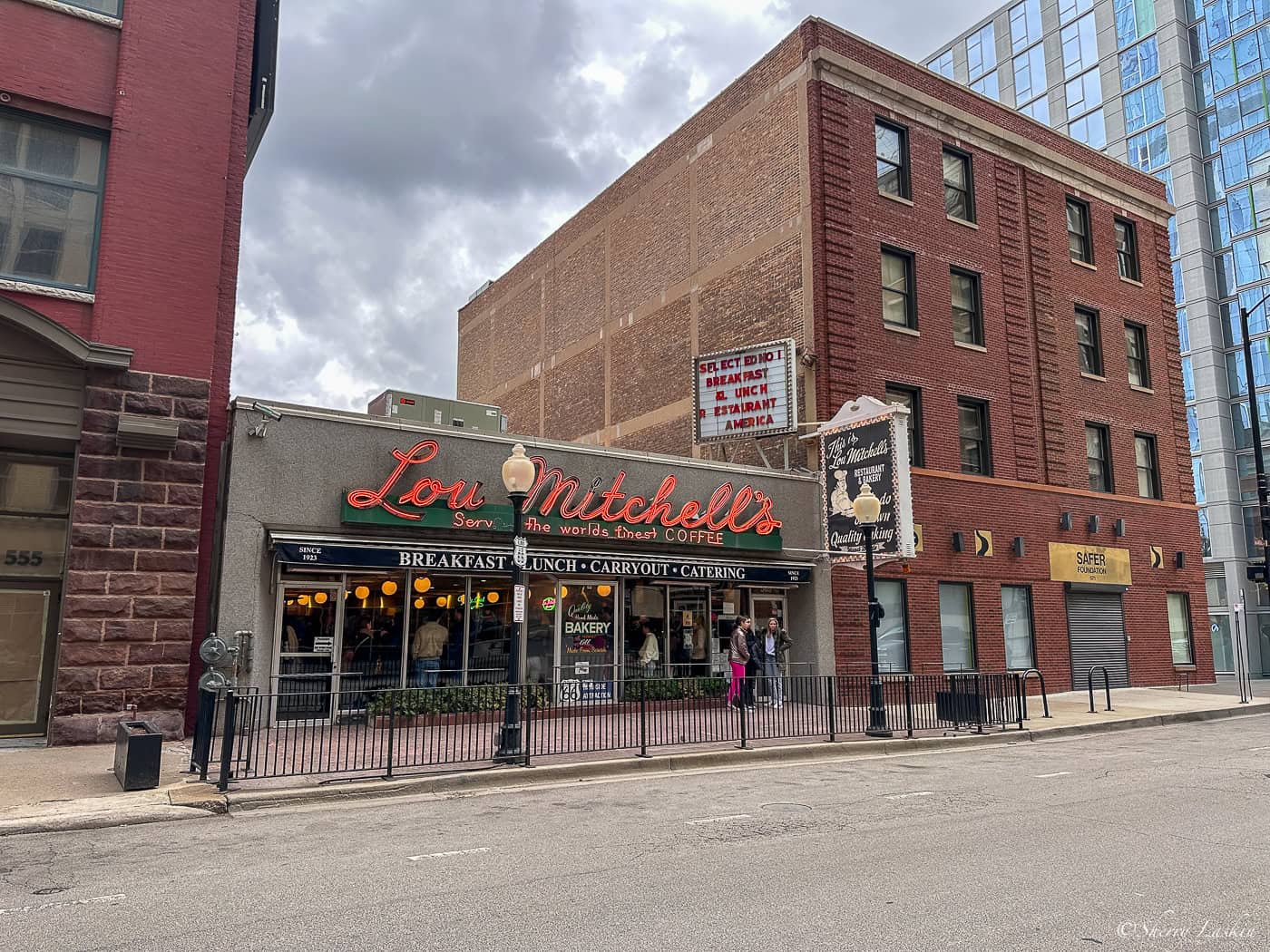
I wanted time to visit with old friends, chow down at my favorite restaurants (Lou Mitchell’s across from Union Station is one of them; Lou Malnati’s is the other).
Heading Into the West
Time to board the California Zephyr from Chicago to Sacramento, CA. I was mesmerized as the landscape gradually transformed during the two-night trip.
Cities disappeared. Farm land and open plains were the norm. Then as we passed through Colorado, the scenery gave way to ruby-red cliffs, the winding Colorado river, and jagged, snow-capped mountains that soared in the distance.
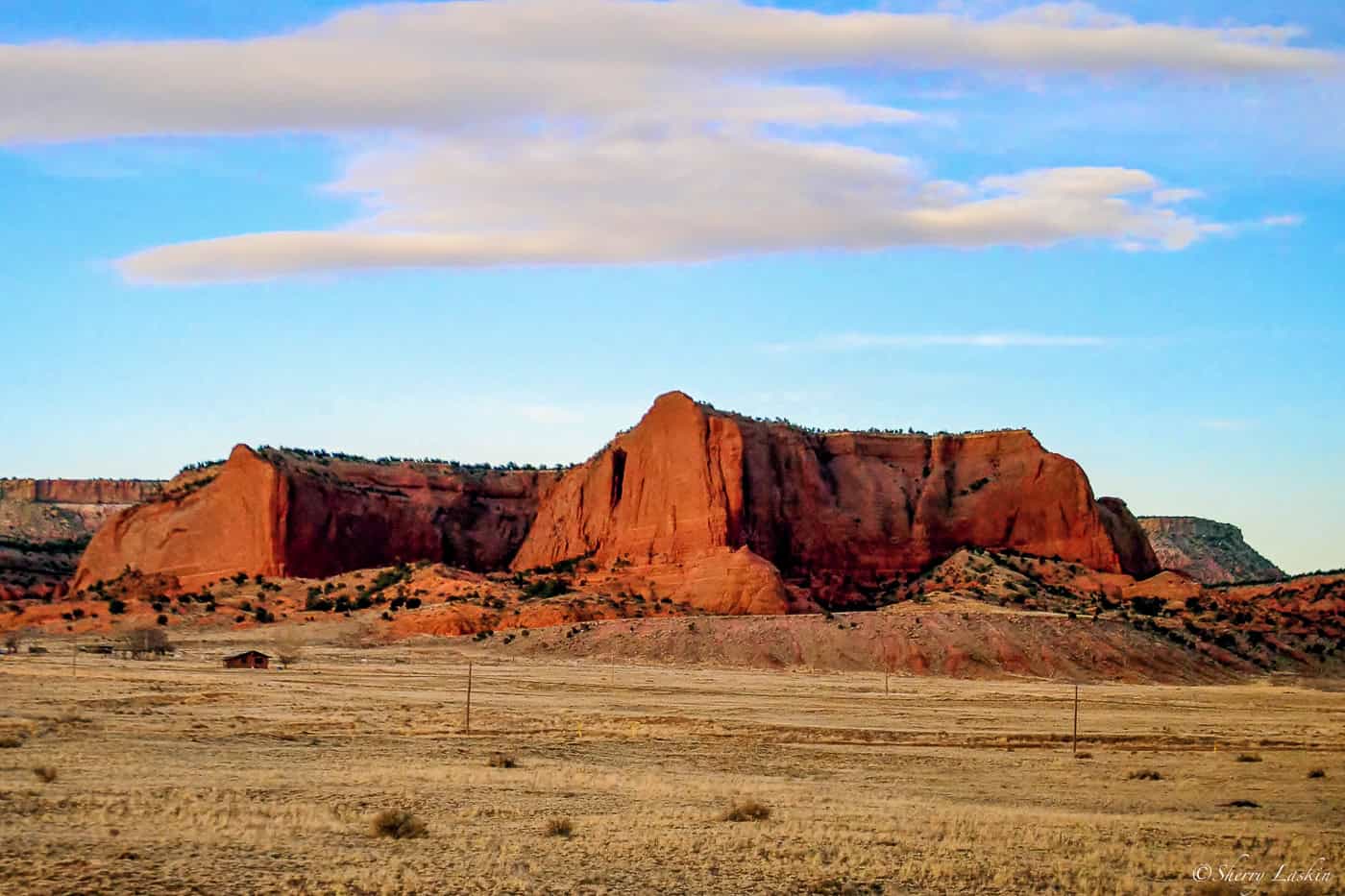
By the time the train reached Sacramento, some 50 hours later, I was ready for a pause. This was my third time taking the Zephyr to Sacramento, so I knew to reserve a hotel room for at the Vagabond Inn for the 10-hour layover.
The hotel is a very short walk across the street from the train station. I had a place to relax, take a shower and have dinner.
To pass the time, I went for my third visit to the California State Railway Museum. They close at 5pm so I had to quickly drop my luggage in my hotel room, and hurry along for a 10 minute walk to the museum.
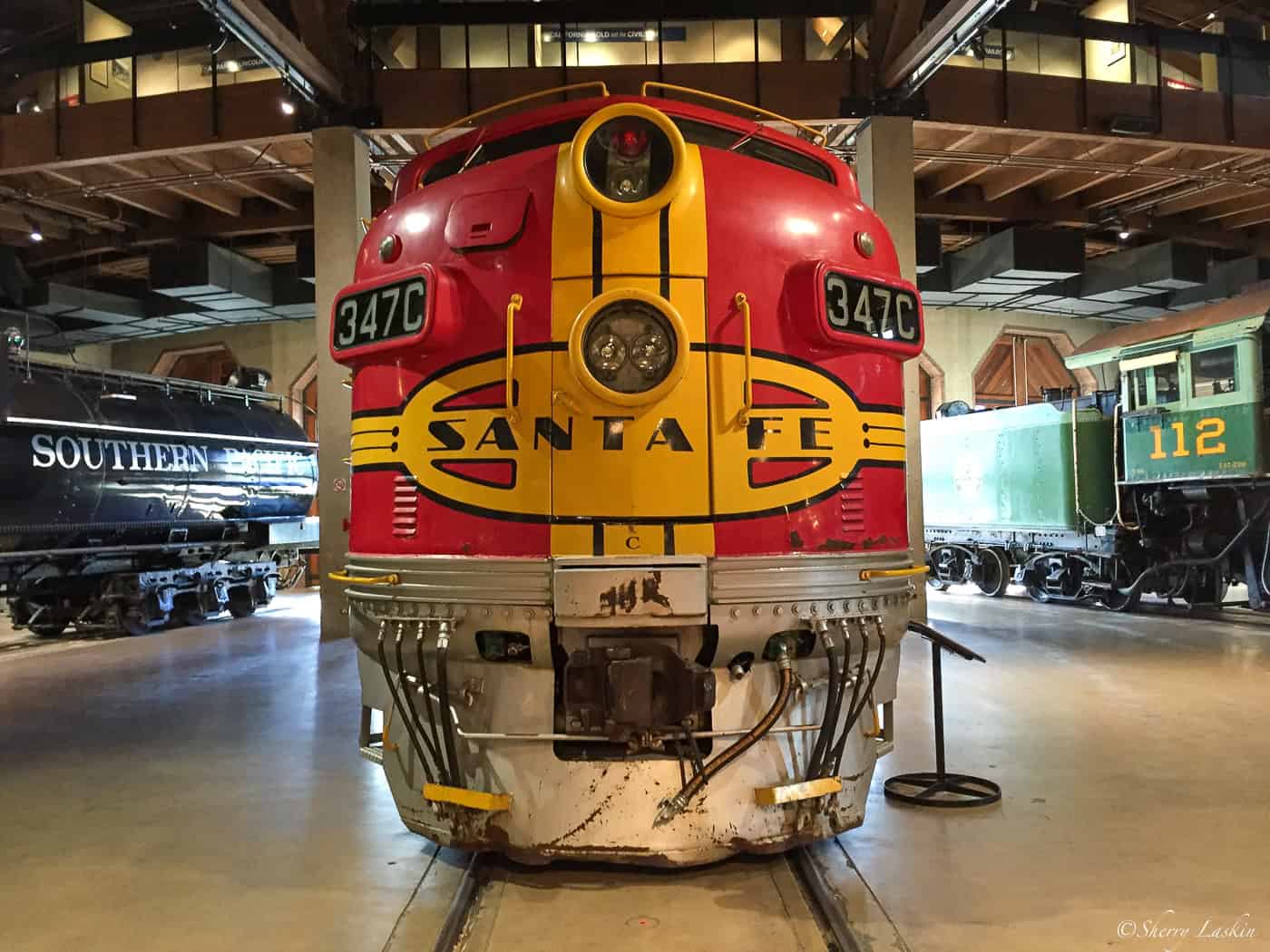
If you’re a train buff, this is an incredible museum. How they managed to get some of these old, old, old engines indoors is beyond imagination.
All aboard at midnight on the Coast Starlight. The Vagabond Hotel arranged a ride for me to the station – it’s not a safe walk late at night for a solo female traveler.
The next morning I left the train in southern Oregon to visit some friends for two nights. Then it was back on another Coast Starlight to Portland.
Why not take the same train all the way to Seattle and Bellingham for the ferry?
The Coast Starlight only goes as far as Seattle not further north to Bellingham, Washington. So to make a timely connection up to Bellingham, I first had to go from Portland to Seattle. Wait a night then catch a train from Seattle to Bellingham.
Then there was yet another hotel night in Bellingham before the ferry’s 6:00 P.M. departure for Alaska the next day.
On this last pre-cruise night, I finally felt like I wasn’t racing around train stations or cities anymore. I was moving forward, with intention, to my destination. I could breathe.
Late afternoon the next day in Bellingham, I boarded the 450-passenger M.V Columbia. There was still one more ferry to reach Juneau after that one.
Alaska’s Floating Highway
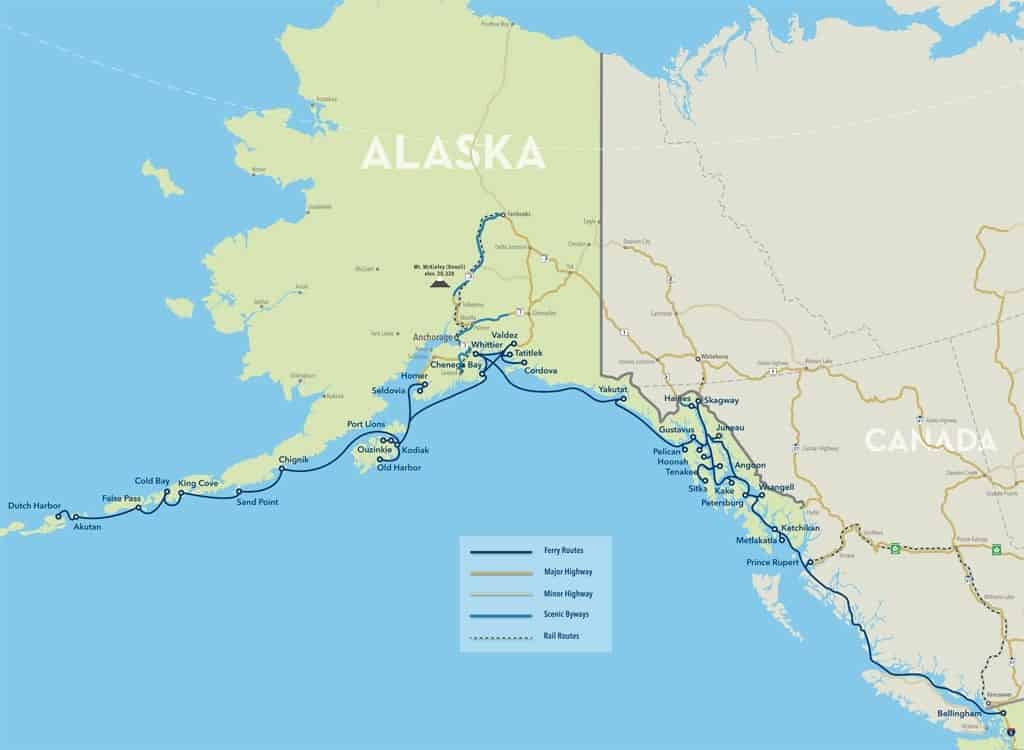
The Alaska Marine Highway isn’t a metaphor. It’s an actual transportation system — a fleet of working ferries that carry residents, vehicles, freight, and travelers along more than 3,500 miles of rugged coastline.
From the Lower 48, once a week, one ferry departs from Bellingham, Washington, tracing a route so scenic and essential that it’s been designated a National Scenic Byway.
It’s the only marine route in the country with that status, and cruising on it feels less like a cruise and more like being on a mail boat as it putt-putts into or past small coastal towns.
Aboard the Ferry to Alaska
M.V. Columbia travels the entire 3,500 miles of the Alaska Marine Highway mainline route, from Bellingham, WA to Dutch Harbor, AK…way out in the middle of the Arctic Sea.
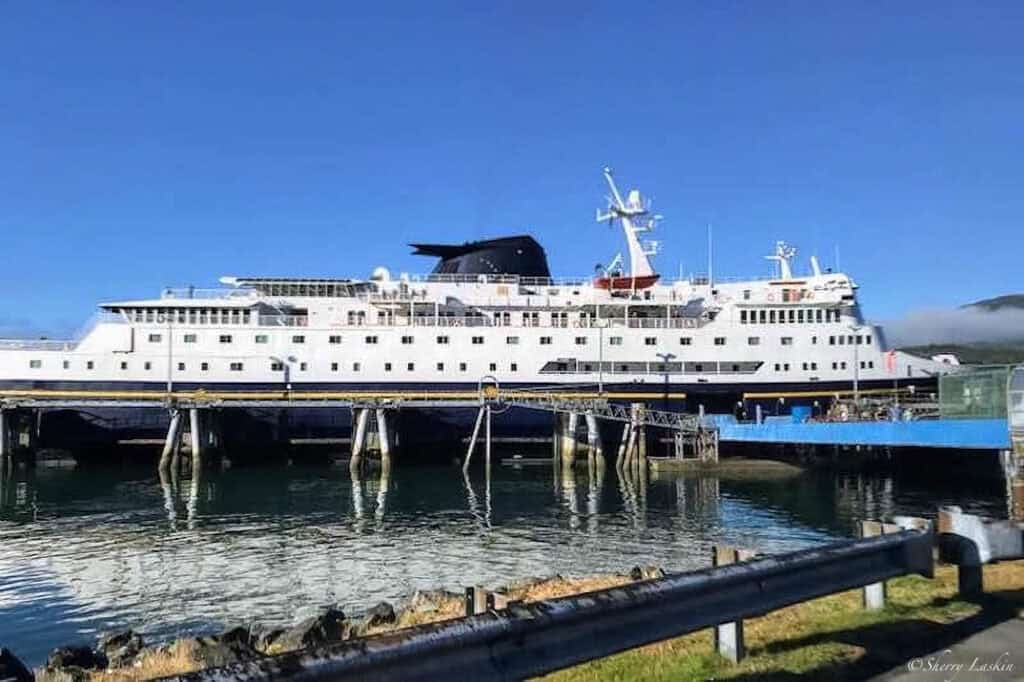
Alaska is so huge that it takes three days to cruise along the Alaska Marine Highway system to reach my first Alaska port stop in Ketchikan. The ship goes slow and there were no port stops along the way.
The ferry was practical rather than glamorous, designed for distance, rough seas and unexpected weather rather than luxury. The pace was unhurried, the scenery constantly changing.
Forested shorelines gave way to open water and narrow channels, and reminded me that this route is lifeline first, travel experience second.
I stayed a couple of nights in Ketchikan at an AirBnB, long enough to wander, eat, breathe, and explore the town.
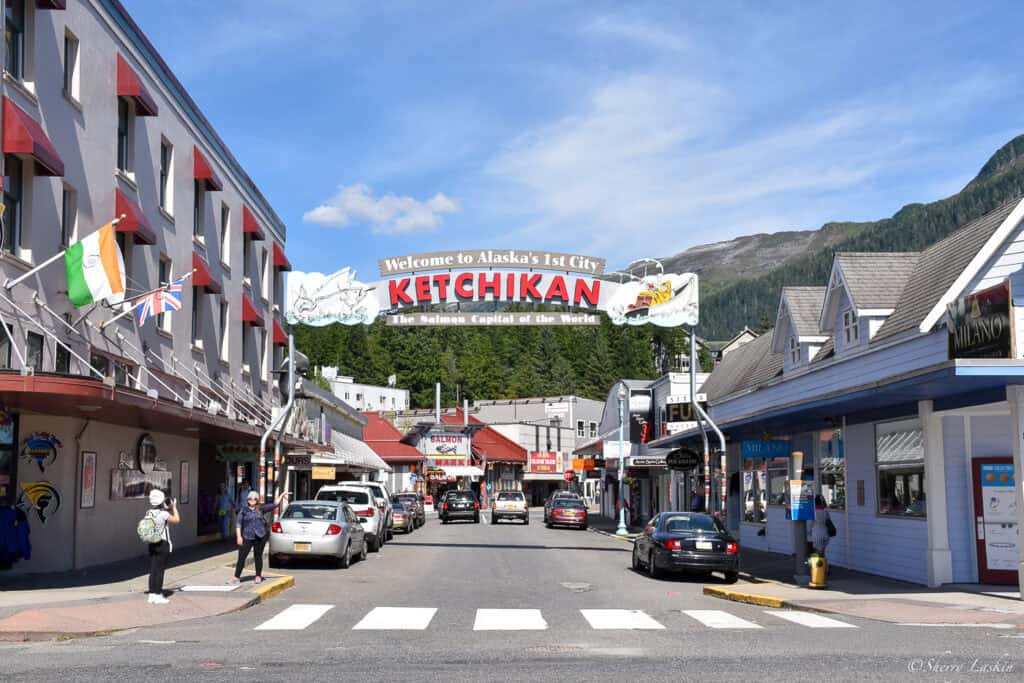
I felt a slight unsettling shift that comes with arriving somewhere totally remote from home. Four time zones away.
There was still one more overnight ferry ride to get to Juneau.
Ferry #2
From Ketchikan to Juneau, I took the 450-passenger M.V. Malaspina and relaxed in my little en suite sleeping compartment for a whole 18 hours!
Finally, I arrived at Juneau at 6:15am! Again, I had arranged for an AirBnB but this time for an entire week.
Conveniently located in downtown Juneau with a clear view of the cruise ship harbor, I was able to explore the town, grocery shop, see the state capital building and check out some restaurants.
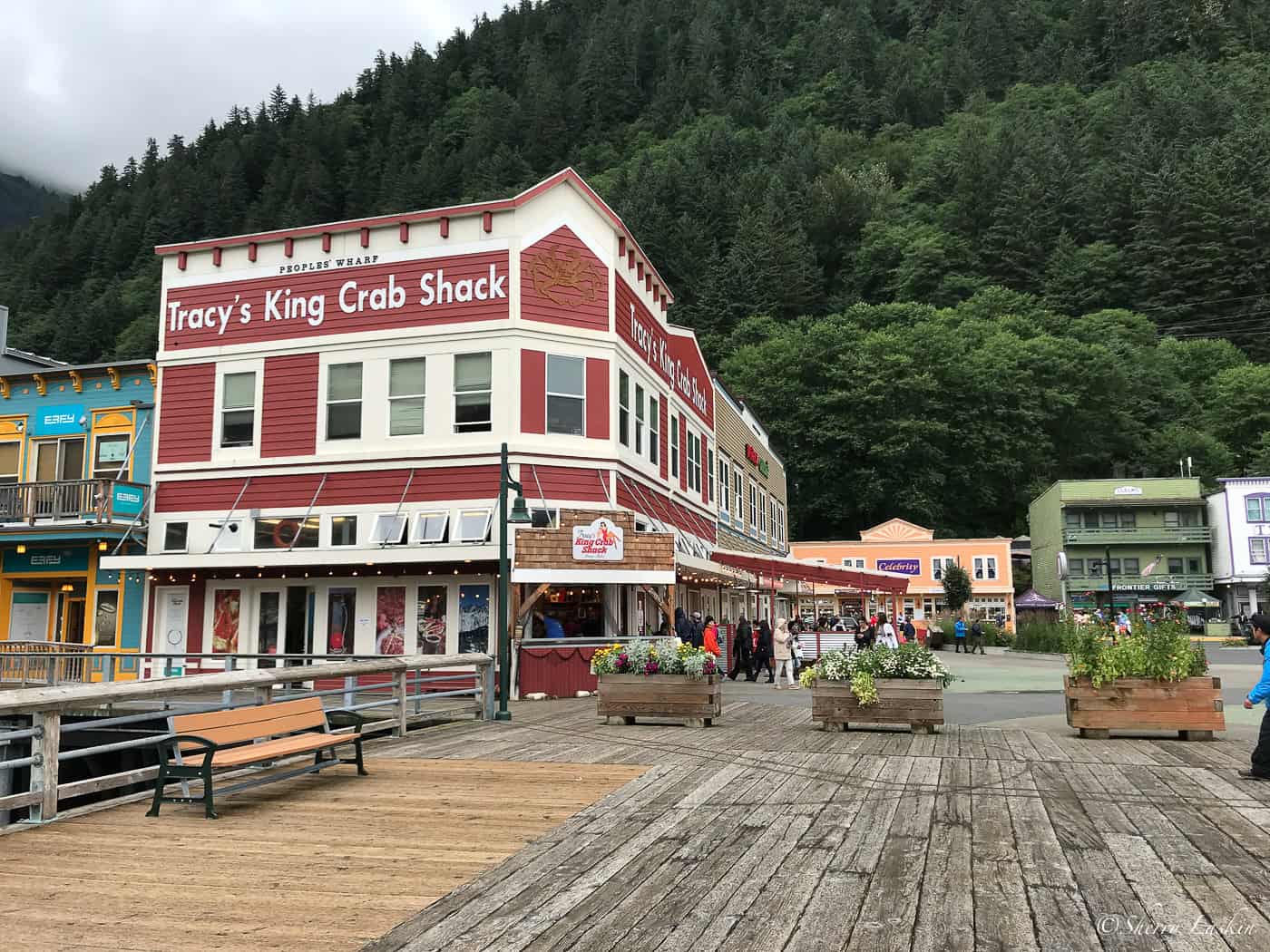
By the end of the week, I was ready to board the small expedition ship and officially begin my first Alaska cruise.
Stepping Aboard at Last
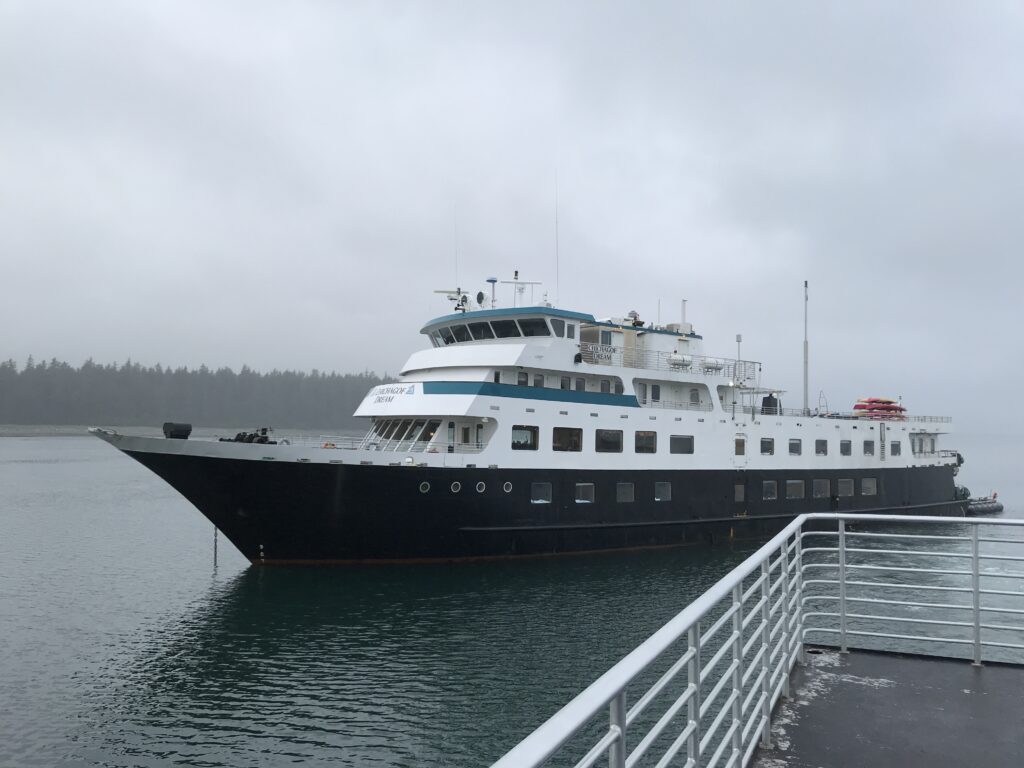
After nearly two weeks of travel, I finally walked up the gangway of this 74-passenger expedition ship. The contrast was striking. What had started as a logistical travel challenge ended as something intimate and immersive.
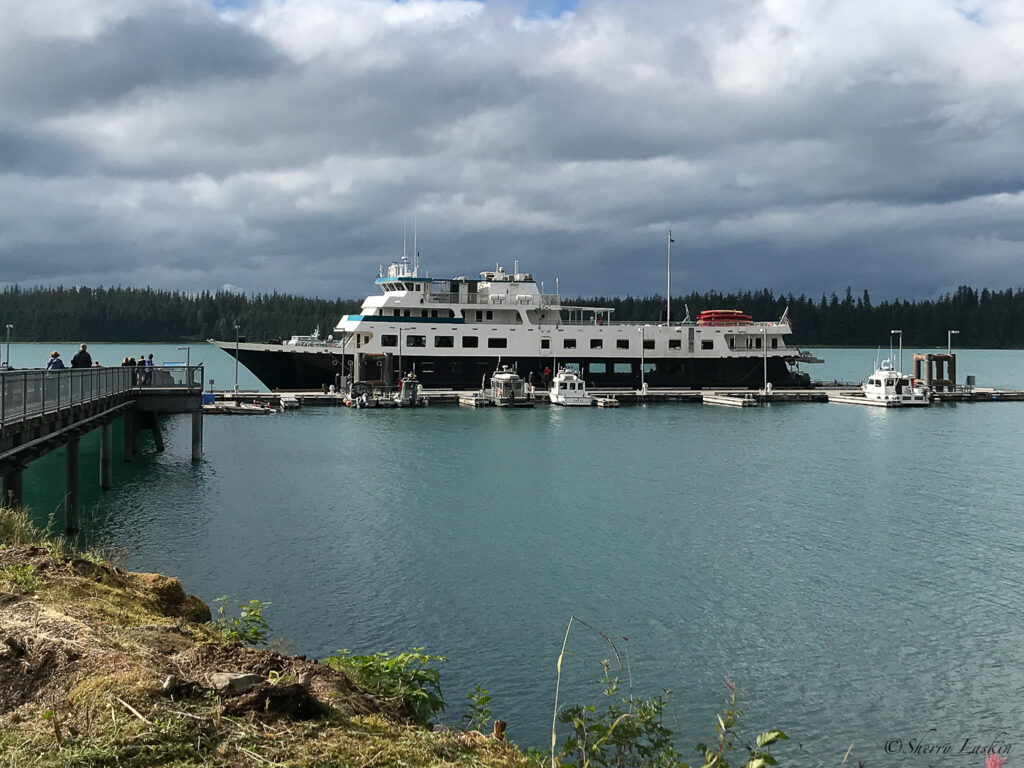
The days were filled with quiet adventure: kayaking in sheltered bays, hiking along mossy trails, learning about the land and its history, whale watching, and eating fresh Alaskan seafood.
The long, slow way to Juneau must have had an effect on how I experienced the expedition cruise. I didn’t feel lost or off-balance. No jet lag. I arrived ready to challenge both the elements and my comfort zone.
Also, I don’t doubt that the anticipation for my first Alaska cruise kept me steady, moving forward without hesitation or regret.
I’d do it all over again in a heartbeat.
Packing for Alaska, What I Learned Along the Way
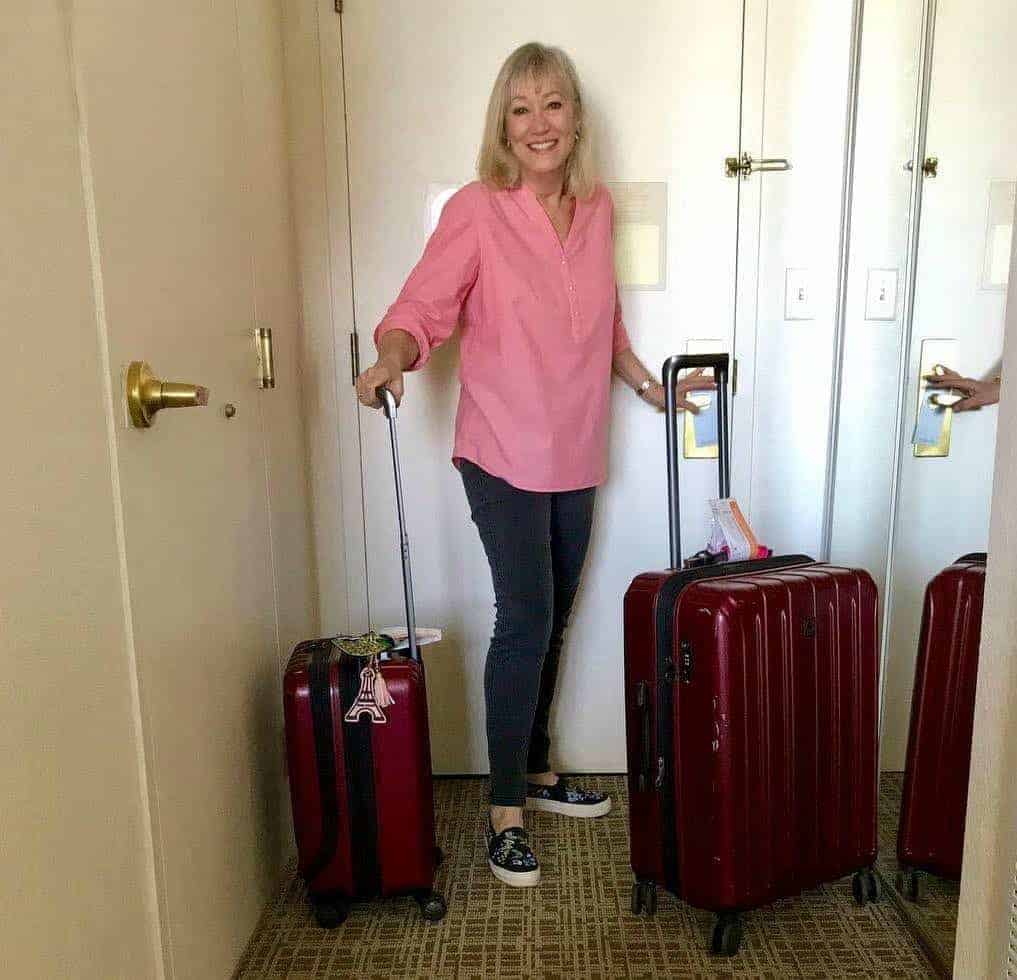
I thought I knew how to pack for Alaska. Warm layers, gloves, a hat, wool socks, and definitely sturdy but comfortable hiking shoes. What I didn’t realize was that Alaska isn’t consistently cold. The weather is constantly changing.
Cool mornings on deck can turn into warm afternoons ashore. The sun reflecting off the water or snow often makes it feel warmer than the temperature suggests (hint: good sunglasses are a must). I packed for cold, when what I really needed was flexibility.
What mattered most were layers I could add or remove easily, not bulky winter gear. Lightweight jackets, breathable long sleeves, and clothes that could adjust to shifting conditions made far more sense than anything heavy or rigid. Luckily I had a few Florida items to wear when the weather turned 80 degrees!
My hiking boots turned out to be more important than I expected. Alaska days involve wet docks, gravel paths, puddles, hikes, and plenty of in-town walking. My shoes handled all of it. The same was true for wool socks.
I was also surprised by how much sun protection I needed. Cool air disguises how strong the sun can be, particularly on the water. Sunglasses, sunscreen, and a brimmed hat were just as useful as any warm layer.
For camera gear, I brought plenty. Maybe too much. Zoom mattered more than wide angles, and having my gear ready to shoot without having to fumble for it was key.
Unexpected drizzle is common, especially in the lower Southeast, as that is actually in the Tongass National Forest. A large ZipLock bag protected my camera while in my backpack.
What an Alaska cruise ultimately taught me was that packing isn’t about preparing for a specific climate. It’s about preparing for weather changes that catch you off-guard.
One minute it’s horizontal cold rain followed by 80-degrees and sunshine. Once I understood that, I was prepared for my next foray into Alaska.
Was Slow Travel to Alaska It Worth It?
Without hesitation, yes. Going from Florida to Alaska for this expedition cruise was its own adventure.
Not only was the journey worth it, Alaska itself held me longer than planned. One week turned into six. And when it was time to leave, I retraced nearly the same route home.
Slow travel isn’t only about avoiding planes. For me, it’s the intricate planning, self-reliance and planned stops along the way that matter.
I’d rather allow the journey itself to shape the destination. The excitement builds instead of rushing past it at 40,000 feet.
This trip did exactly that.
Was all this worth the nearly two-weeks of travel to get here? Yes! In fact, I loved Alaska so much that I ended up staying for six weeks. Then I repeated almost the same route to get home.
The next year…I MOVED THERE!