
A Lovely Day in Lipari
I was excited to spend a day exploring this hidden gem of an island and one that I never heard of before this trip. Lipari is a sleepy little Italian island in the Aeolian archipelago off the coast of Sicily and loaded with history and ruins.
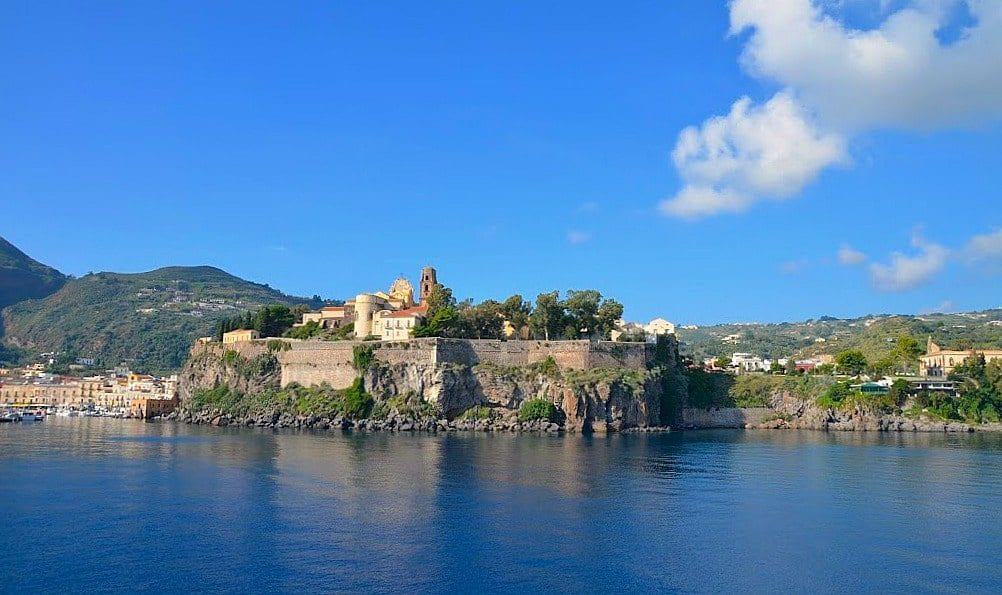
This would be a great slow travel day on my own, to just wander and soak in the Italian autumn ambiance.
Coming ashore in mid-September, it was apparent that tourist season in Lipari had ended. Many of the small shops were already closed for the year. Some cafés remained open for one last hurrah of tourists.
Setting Out to Explore on My Own
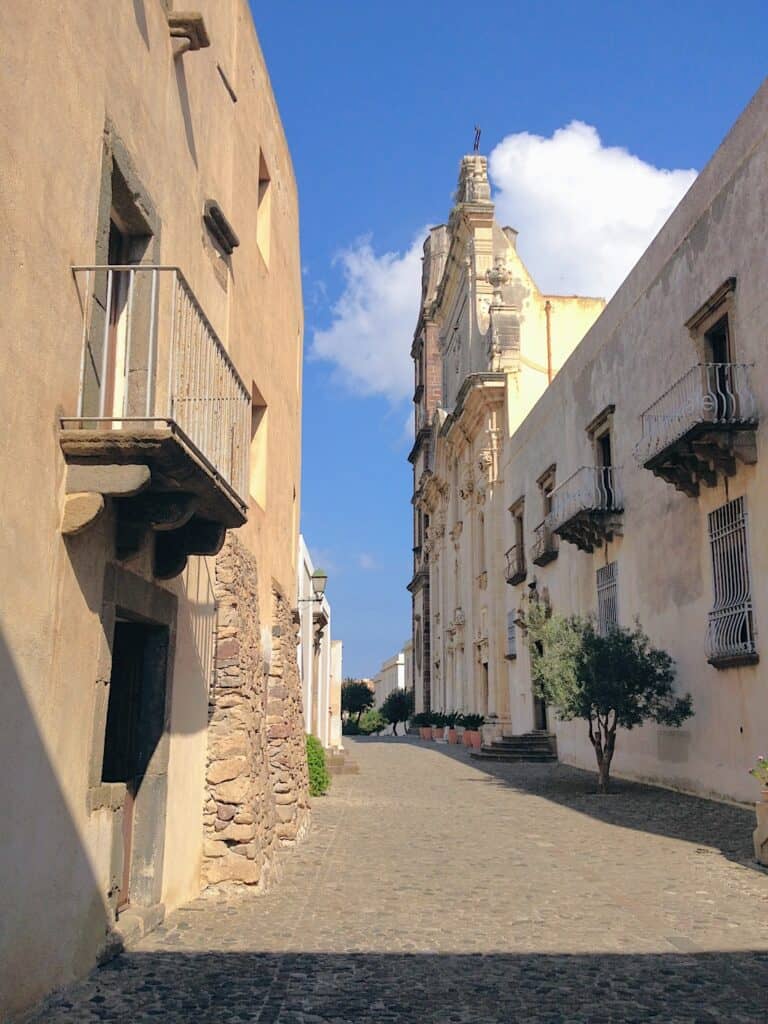
My day in Lipari bore no reminder to the pillage and plunder terror of its early days. Now, the rock-strewn island of Lipari has become a major tourist destination during the summer months with nearly double the 11,000+ population as tourists. I was thrilled to get there in mid-September.
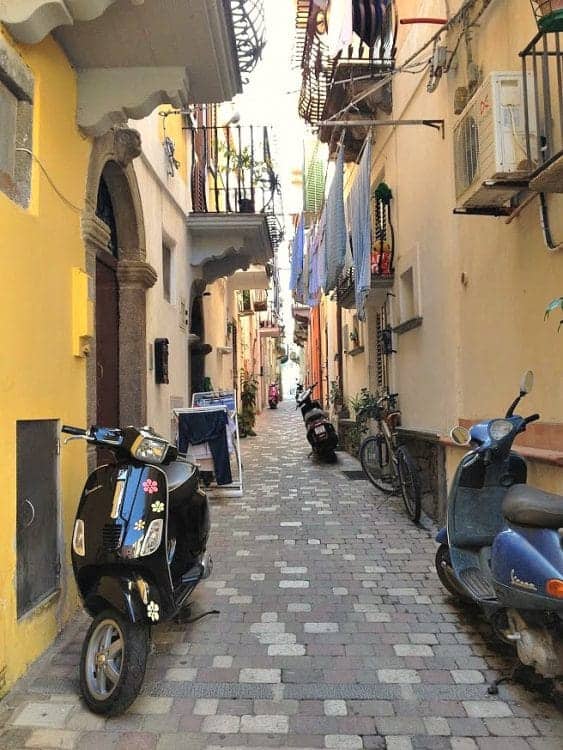
City map in hand (just in case), I had the most wonderful day simply wandering through this ancient city, up and down centuries-old cobblestone streets and alleys. Shops no wider than as far as I could extend my arms lined the narrow road from the horseshoe-shaped waterfront.
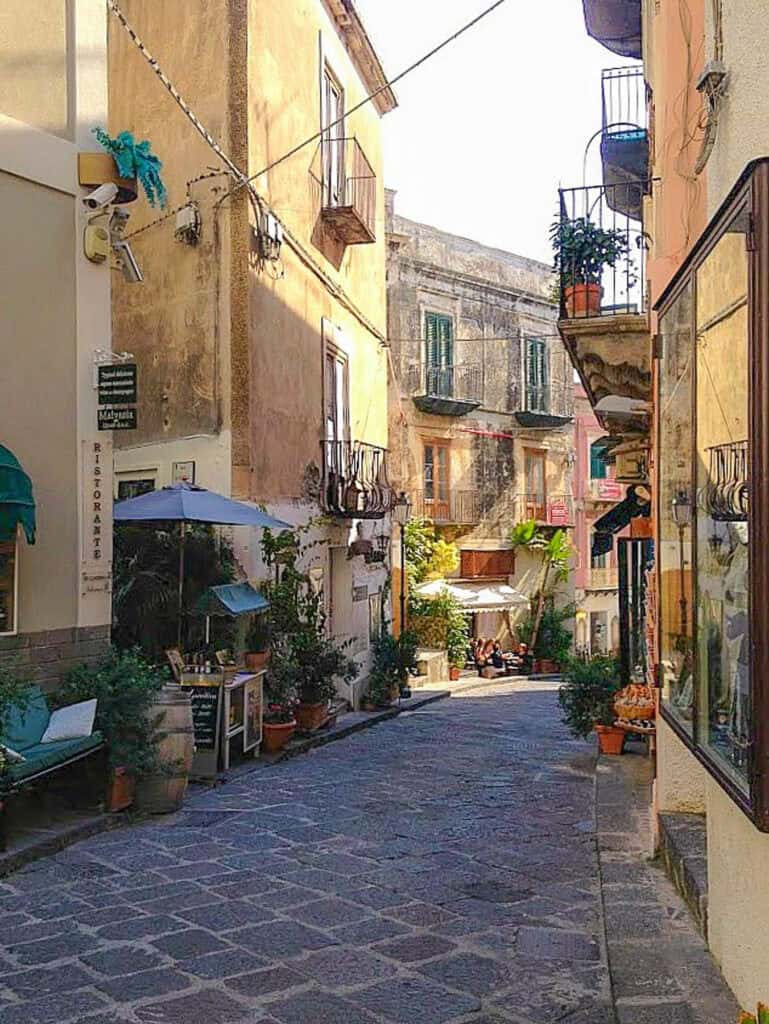
And so I found one of the few shops still open for business. As I was meandering and window shopping, one tiny store caught my eye.
And a Magical Moment Happened…
Dangling from a hanger on the narrow open door was the most striking poncho I’d ever seen. A light woven wool, in various shades of blue, red and orange, this definitely had my name on it. I checked the price tag and it was well out of reach for my budget.
I entered the shop with a polite, “Buona sera” and received the same in return. Turned out that the store owner, Ingrid, was from Switzerland, and spoke perfect English. Her daughter goes to Paris as the store’s buyer. That’s why the poncho was pricey…it was from Paris.
Ingrid could see that I loved the colorful poncho but I passed it by. Over on the counter was a very unique necklace that looked like an adult-size teething chain. Strung together with a thin filament were 18 odd-shaped plastic nuggets, each a different color. Also from Paris. And the price was right.
Carefully, so as not to bump into other garments, I brought the necklace over to the cash register to pay. I mentioned that I really loved that poncho and maybe on my next visit (if ever!) I’d buy it.
Don’t you know that after I paid for the necklace, Ingrid said to me that the poncho was mine and she’d wrap it up for me. I nearly burst into tears. Who does something that kind to a stranger…let alone an American tourist?
I profusely thanked her for her generosity and left the store with two shopping bags.
It’s these moments that have a profound effect to reinforce my slow travel modus operandi.
A Little Background Story About Lipari
An island in the cobalt blue and teal-colored Mediterranean and also the name of the city, Lipari is located off the northern coast of Sicily. First settled in 580 B.C.E. by the Greeks, Lipari survived a tumultuous upbringing.
Conquered by Arabs and plundered by Saracen pirates in the 9th century, life in Lipari calmed down when in 1090 the Normans overthrew the Arabs. France and Spain also had their hands in the mix. Finally by the mid-1800s, piracy in the Mediterranean had drawn to a close and a safer life in the Aeolian Islands began to reemerge. Eventually Italy laid claim to this 11-island archipelago.
Lipari, the island, is now a UNESCO World Heritage Site.
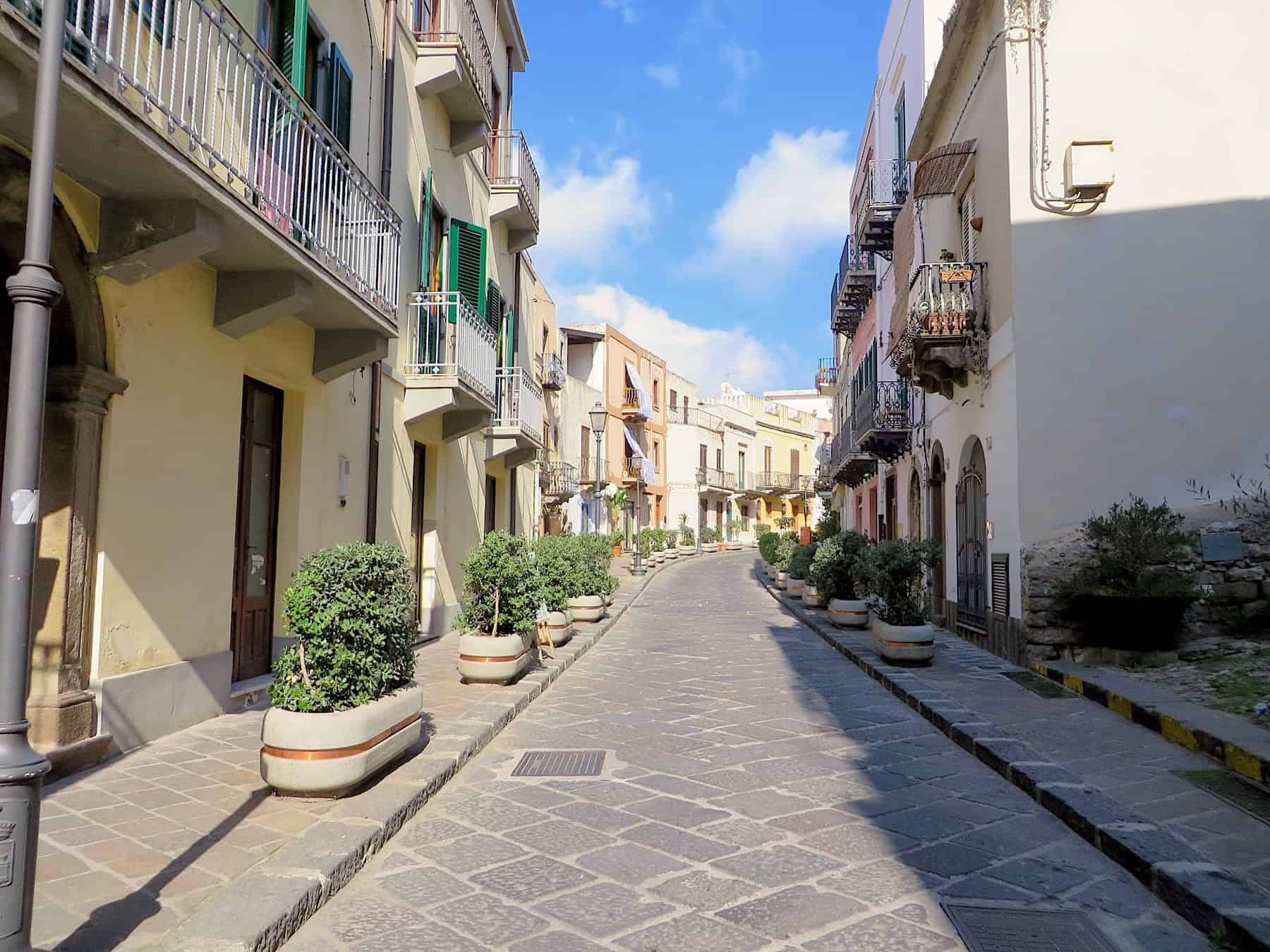
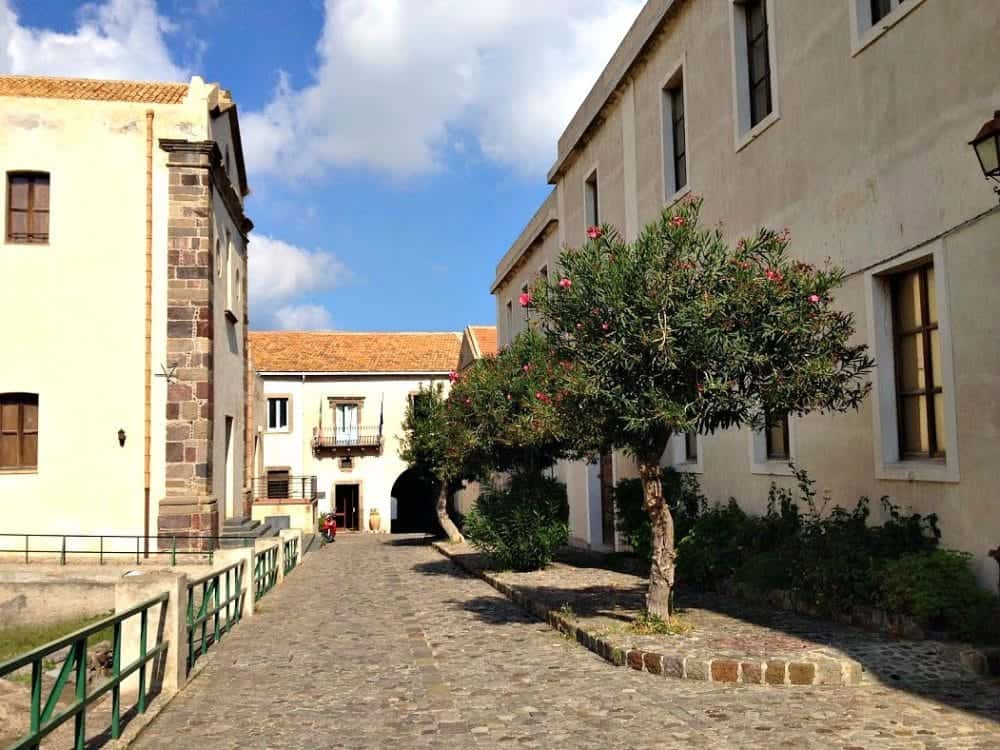
While there was a guided tour around the island, I wanted to enjoy the quiet and calm on my own. Here are some of the highlights from my leisurely walk, most of which was uphill.
You can also visit the Lipari Museum near the castle, that houses an extensive collection of artifacts dating from prehistoric times. Included are exhibits depicting Aeolian culture that begins with the ancient Phoenicians and Greeks through Carthaginian, Roman Byzantine, Norman and Spanish rule.
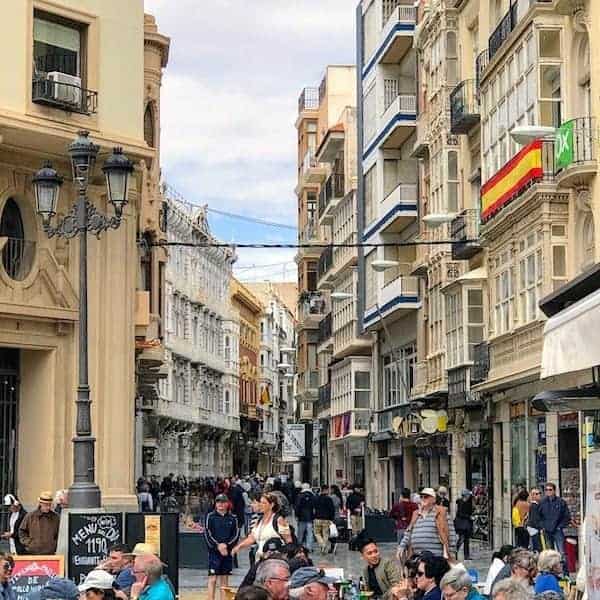
Notice that almost all of the shop doors were shut tight. Once tourist season is finished, many of the store owners leave and go to Sicily for the remainder of the year.
A couple of cafés, clothing stores (like the one I mentioned) and a pharmacy were about all that were open for tourists. Along the waterfront and beach, a few more cafés accommodated late season tourists.
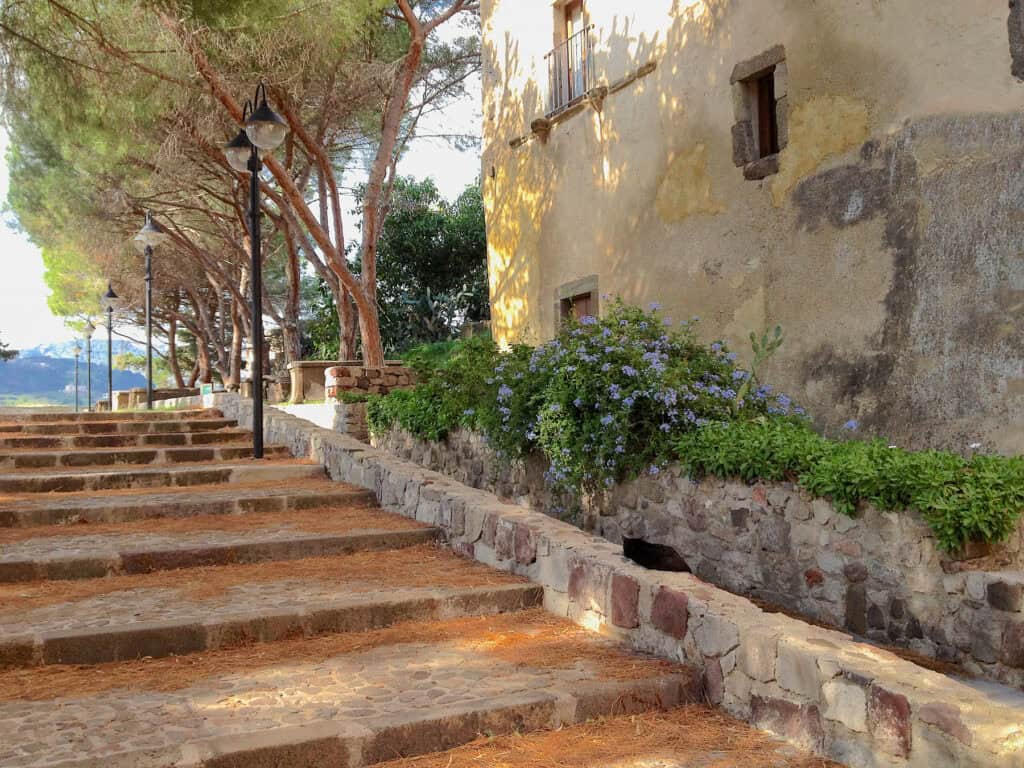
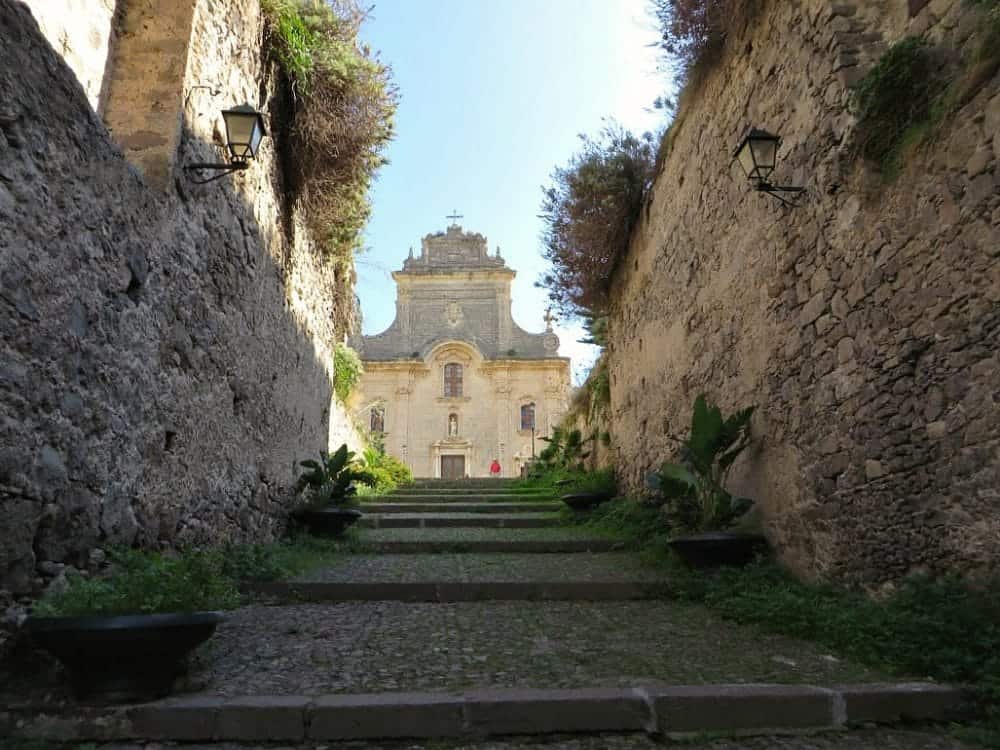
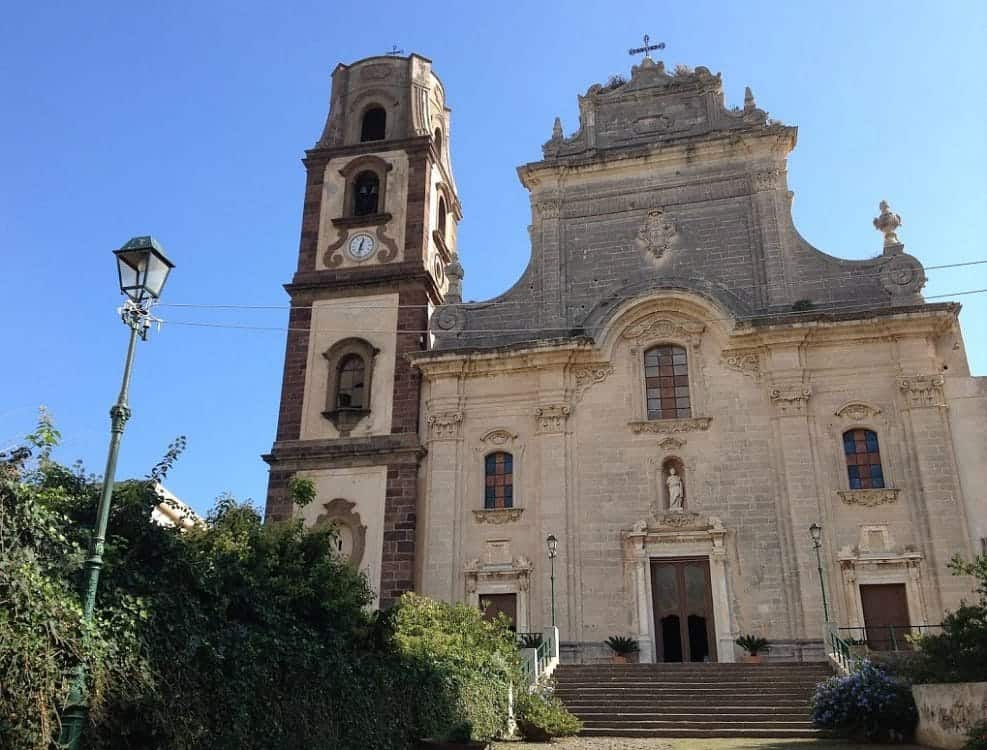
I finally found the staircase up to the Cathedral.
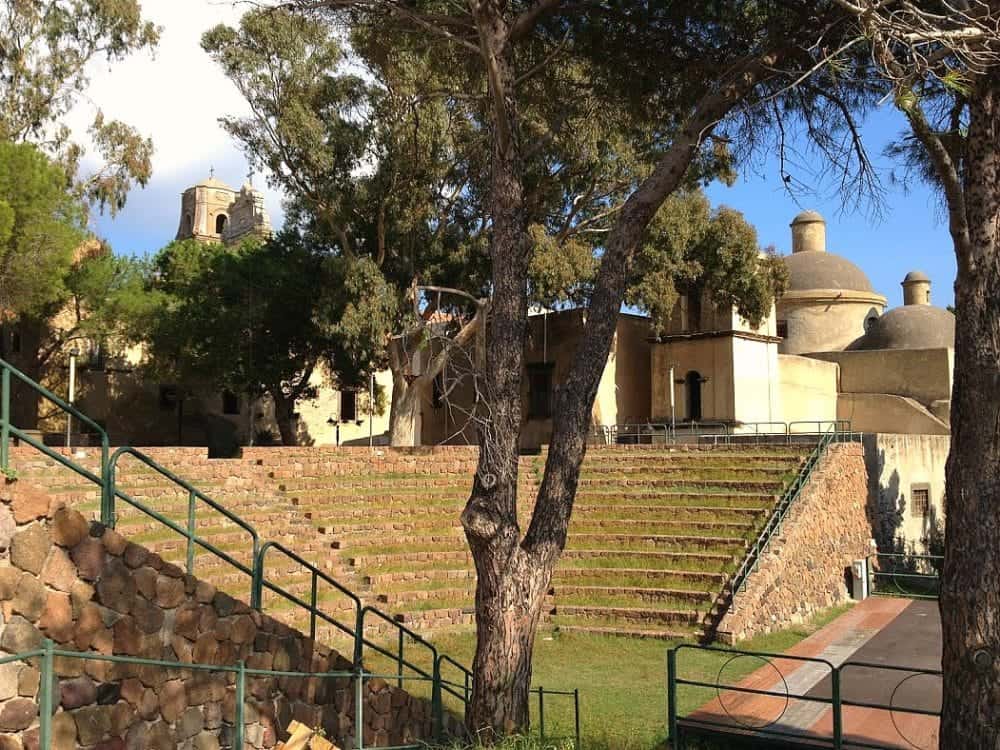
Considering that the Greeks colonized Lipari about 2500 years ago and that there are still performances held at this site, is remarkable.
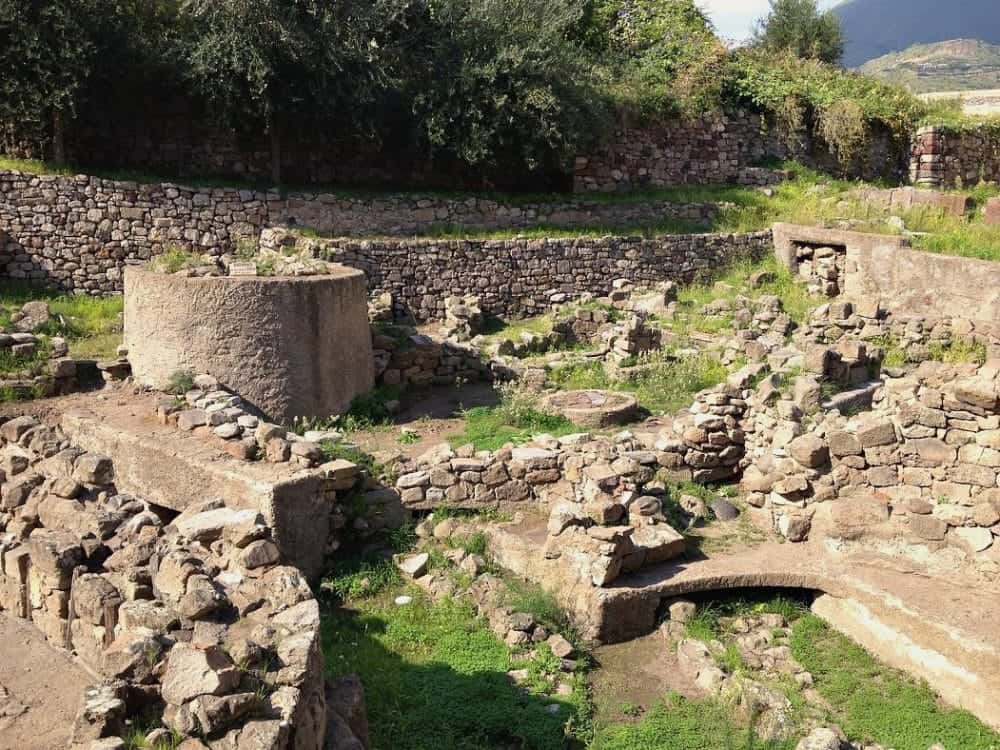
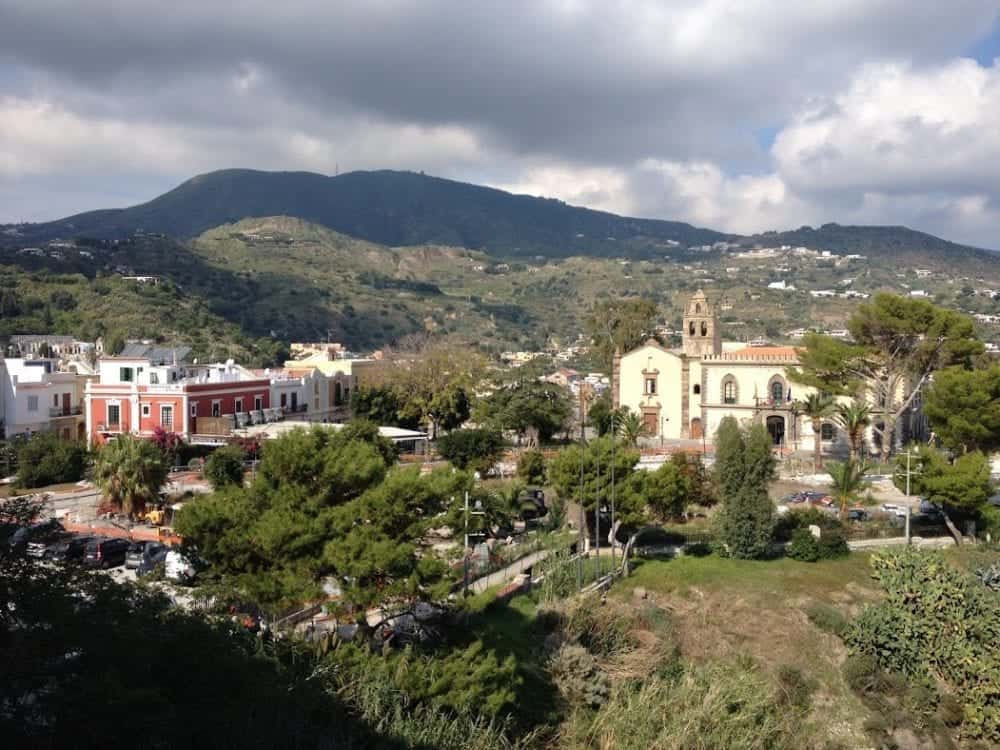
Back on the five-masted sailing ship, our captain gave us a ride through the Aeolian Islands that make up this archipelago. The island of Volcano has about 500 permanent residents that literally live under the volcano.
Not many ships call on Lipari. The massive influx of wealthy tourists during the summer months are mainly Italians plus Greeks and Russians. Hydrofoils and ferry boats connect all of the islands to Sicily.
Days like this reinforce why I prefer my slow travel life, never flying or rushing from place to place. I would love to return to Lipari, just to wander a little more and try a couple of restaurants. My only regret was not having enough time to sit, taste, and enjoy a meal.